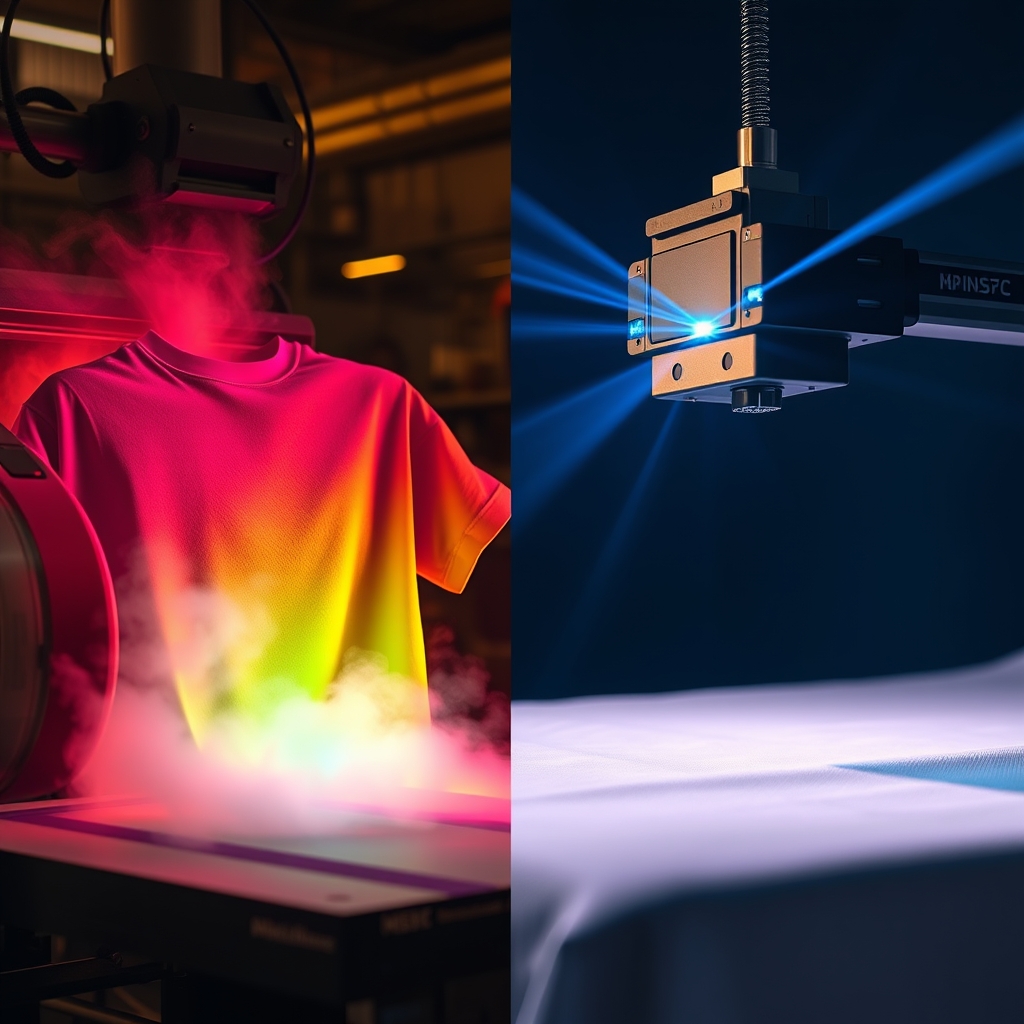
- DTG is cost-effective for orders under 50 units; screen printing becomes cheaper above that threshold.
- Screen-printed ink withstands 50+ washes with minimal degradation, while low-quality DTG fades faster.
- The "Printcoolshit Trade-off Matrix" helps you choose between speed and quality based on volume and design complexity.
- Mixing print methods increases perceived value but complicates production and raises per-unit costs.
- Always request a physical sample before bulk ordering to verify color accuracy and fabric compatibility.
Table of Contents
- What Are the Real Trade-offs Between Popular Print Methods?
- How Does Order Volume Change Your Best Option?
- What Are the Hidden Costs of Cheap Custom Prints?
- How Do I Decide Between Speed and Quality for My Launch?
- Which Print Method Lasts the Longest?
- Can I Mix Print Methods for One Order?
- What Common Mistakes Do Brands Make When Choosing Printers?
- Common Mistakes to Avoid
- Frequently Asked Questions
- Further Reading
What Are the Real Trade-offs Between Popular Print Methods?
Direct-to-Garment (DTG), screen printing, and embroidery each offer distinct advantages depending on your design complexity, order volume, and budget. DTG excels at high-detail, full-color designs with no minimums but scales poorly in cost. Screen printing offers the lowest per-unit cost for large runs but requires significant setup time and fees. Embroidery provides a premium, textured feel ideal for logos but limits color gradients and increases production costs by 20–40%.
DTG (Direct-to-Garment): High Detail, Higher Per-Unit Cost
DTG printing uses specialized inkjet technology to apply water-based inks directly onto garments, allowing for photorealistic detail and unlimited colors without additional setup fees. This method feels like it has "no minimums," but the per-unit cost remains relatively flat regardless of volume, making it expensive for large batches. A critical limitation often overlooked is fabric compatibility; DTG requires high cotton content (typically 100% cotton or at least 50%) for vibrant results. Printing on polyester-heavy blends often leads to washed-out colors and poor adhesion unless specific pre-treatments are used, which adds to the cost.
Screen Printing: Low Unit Cost, High Setup Friction
Screen printing involves pushing ink through mesh screens onto fabric, a process that incurs a fixed "setup tax" for every color in the design. You pay for screen creation even if you print only one shirt, making this method inefficient for small orders. However, once the screens are set up, the per-unit cost drops significantly as volume increases. This method struggles with complex, multi-colored illustrations due to the manual separation required for each spot color. For brands seeking to avoid generic-looking merch, understanding these design limitations is key to avoiding bland outputs, as discussed in our guide on why branded merchandise can feel generic and how to fix it.
Embroidery vs. Print: Durability vs. Design Freedom
Embroidery stitches thread directly into the garment, creating a tactile, premium texture that signals high quality to consumers. While prints lay flat and capture intricate details, embroidery cannot replicate gradients or fine lines effectively. The trade-off is clear: you gain durability and a luxury feel but lose design freedom and incur higher costs. On average, embroidery adds a 20–40% premium over standard print methods due to the labor-intensive nature of digitizing designs and stitching them out. This makes it ideal for simple logos on caps or polos but less suitable for large, colorful graphic tees.
How Does Order Volume Change Your Best Option?
Order volume is the single most significant factor in determining the most cost-effective print method. Below 50 units, DTG is almost always cheaper due to zero setup costs. Between 50 and 100 units, you hit a break-even point where screen printing begins to undercut DTG. Above 100 units, screen printing becomes the dominant choice for cost savings, leveraging economies of scale to drive per-unit prices down significantly.
The Break-Even Point: When Screen Printing Beats DTG
The crossover point between DTG and screen printing typically occurs between 50 and 100 units per design. According to industry analysis from textile printing trade associations, DTG becomes cost-prohibitive compared to screen printing when order volumes exceed this range. This is because screen printing has high fixed setup costs but very low variable costs per unit, whereas DTG has low setup costs but higher variable costs. To calculate your specific break-even point, compare the total setup fee for screen printing against the per-unit price difference. If the setup fee divided by the per-unit savings equals fewer units than your order size, screen printing is your better financial option.
Small Batches (<50 Units): Why Flexibility Wins
For test launches, limited editions, or personalized items, flexibility outweighs unit cost. DTG allows you to print exactly what you need without committing to large inventory quantities. Brands that ignore this reality often face high return rates or dead stock by ordering hundreds of screen-printed shirts they aren't sure will sell. By using DTG for small batches, you mitigate risk and validate demand before scaling up. This approach ensures that every dollar spent goes toward a product with proven customer interest rather than speculative inventory.
Large Runs (>200 Units): Economies of Scale in Action
When producing more than 200 units, the efficiency of screen printing shines. Bulk discounts are not just about quantity; they reflect streamlined production lines where screens are reused across thousands of garments. Major printers often offer tiered discount structures that further reduce costs at these volumes. Consolidating orders into larger runs avoids the 30–40% per-unit cost increase associated with splitting orders into multiple small batches. This strategy maximizes margin and simplifies fulfillment logistics for high-volume campaigns.
What Are the Hidden Costs of Cheap Custom Prints?
Cheap custom prints often carry hidden costs that extend beyond the initial invoice. Fading and cracking degrade brand perception over time, leading to negative reviews and lower retention. Rush fees can add 20–50% to your bill if you prioritize speed over planning. Additionally, ignoring Minimum Order Quantities (MOQs) forces brands to buy excess inventory, tying up capital in unsold goods. These factors combine to erode the profitability of seemingly affordable merch.
Fading and Cracking: The Long-Term Brand Damage
Cheap prints may look acceptable on day one but often fail quickly under wear and washing. Properly cured screen-printed ink can withstand 50+ wash cycles with less than 10% color degradation. In contrast, lower-quality DTG prints may show significant cracking or fading after just 20–30 washes if not pre-treated correctly. This rapid degradation hurts brand loyalty, as 73% of consumers are willing to pay more for a better customer experience, and perceived quality is the primary driver of retention. Investing in durable printing protects your brand's reputation and reduces long-term support costs.
Rush Fees and Production Delays
Prioritizing speed often comes with a steep price tag. Industry benchmarks indicate that rush fees can range from 20% to 50% of the total order cost. These surcharges compensate for prioritizing your job over others in the production queue. If you are not careful, the desire for fast turnaround can double your expenses. Planning ahead and allowing standard lead times can save significant money. Always factor potential rush fees into your budget if your launch date is inflexible.
Minimum Order Quantities (MOQs) and Waste
Being forced to buy 100 shirts when you only need 20 leads to dead stock and wasted capital. Internal industry benchmarking shows that brands ignoring MOQs often see a 30–40% increase in per-unit cost by splitting orders across multiple small batches. This inefficiency stems from repeated setup costs and logistical overhead. To avoid this, consolidate your needs into larger runs or choose printers with lower MOQs for testing phases. Understanding inventory holding costs is essential for measuring true ROI, as discussed in our analysis of branded merch retention rates.
How Do I Decide Between Speed and Quality for My Launch?
Deciding between speed and quality requires evaluating your launch goals against your operational constraints. Use the "Printcoolshit Trade-off Matrix" to map your project: high volume and high quality point to screen printing; low volume and high detail point to DTG; high volume and simple logos also favor screen printing; and low volume with urgent needs require DTG or rush services. This framework helps you make data-driven decisions rather than guessing.
The "Test and Learn" Strategy (Speed First)
For new brands or untested designs, speed and flexibility should take precedence. Using low-MOQ, faster methods like DTG allows you to validate designs with real customers before committing to large, slower screen-print runs. This "test and learn" approach minimizes financial risk. You can gather feedback on fit, print quality, and design appeal, then refine your final product. This iterative process ensures that your final bulk order aligns with market demand, reducing the likelihood of unsold inventory.
When to Prioritize Quality Over Speed
For flagship products, limited editions, or high-ticket items, quality justifies longer lead times. Consumers are increasingly willing to wait for premium experiences, as highlighted by McKinsey & Company’s research on customer experience value. Prioritizing quality means choosing methods that offer superior durability and finish, such as high-grade screen printing or embroidery. Communicate these lead times clearly to customers, emphasizing the craftsmanship involved. This transparency builds trust and sets appropriate expectations for delivery.
When to Prioritize Speed Over Perfection
Time-sensitive events, such as conferences, holidays, or flash sales, often require acceptable compromises on finish. In these cases, speed is the primary constraint. DTG is often the best choice here due to its quick turnaround and lack of setup time. While the finish may not be as durable as screen printing, it meets the immediate need. Communicate any potential delays proactively to manage customer expectations and maintain goodwill during tight deadlines.
Which Print Method Lasts the Longest?
Screen printing generally offers the longest lifespan for custom apparel, followed closely by high-quality DTG with proper care. Embroidery is also highly durable but depends on thread quality and stitch density. Wash testing results consistently show that properly cured screen-printed ink outlasts most other methods, maintaining color vibrancy and integrity through dozens of wash cycles.
Wash Testing Results: Screen Print vs. DTG
Comparative durability data reveals a clear winner in longevity. Properly cured screen-printed ink can withstand 50+ wash cycles with less than 10% color degradation. Lower-quality DTG prints, however, may show significant cracking or fading after 20–30 washes if not pre-treated correctly. This difference is crucial for brands aiming for long-term customer satisfaction. Investing in proper curing processes for screen printing ensures that your merch remains wearable and attractive for years, enhancing brand visibility over time.
Fabric Choice Impact on Print Longevity
Heavyweight cotton holds ink better than lightweight blends, affecting overall print longevity. Thicker fabrics provide a stable surface for ink absorption, reducing the risk of cracking or peeling. Lightweight blends, especially those with high synthetic content, may struggle to retain print integrity over many washes. Choosing the right fabric base is as important as the print method itself. Refer to our guide on designing custom prints that people actually keep for detailed tips on fabric selection.
Care Instructions That Extend Print Life
Simple user education can significantly extend the life of custom prints. Providing clear care instructions, such as washing inside out in cold water and tumble drying on low, helps preserve ink integrity. Including these tips on tags or packaging reduces returns and complaints related to fading. Educated customers are more likely to care for their merch properly, extending its usable life and reinforcing positive brand associations.
Can I Mix Print Methods for One Order?
Mixing print methods, such as combining screen printing with embroidery, can create a unique, premium hybrid look. However, this approach increases production complexity and cost. Most printers require separate SKUs or batch processing for mixed methods, which can complicate fulfillment. It is essential to check with your provider, such as Printcoolshit, about their specific capabilities for hybrid orders.
Combining Screen Print and Embryoidery
Using screen printing for large background graphics and embroidery for central logos creates a layered, high-end aesthetic. This combination leverages the strength of each method: the versatility of print and the durability of embroidery. However, the cost implications are significant. Hybrid approaches often incur higher costs due to multiple production steps and handling. Ensure the added value justifies the increased expense, particularly for high-margin items.
Limitations of Mixed Media in Single Orders
Most printers require separate SKUs or batch processing for mixed media orders, which can complicate fulfillment and tracking. This separation means that items may arrive at different times or require additional assembly. Check with your provider about hybrid capabilities and lead times. Clear communication with your printer ensures that the final product meets your quality standards and arrives on schedule.
What Common Mistakes Do Brands Make When Choosing Printers?
Brands frequently make errors that compromise quality or increase costs. Ignoring sample requests leads to bulk orders with incorrect colors or placement. Focusing only on price often results in the cheapest option having the longest queue and poorest service. Not considering file preparation constraints causes delays and rejections. Avoiding these pitfalls ensures a smoother production process and a better final product.
Ignoring Sample Requests
Never approve a bulk run without a physical sample. The cost of fixing a bad bulk run far exceeds the price of a sample. Samples allow you to verify color accuracy, fabric feel, and print durability before committing to large quantities. This step is non-negotiable for maintaining quality control. Treat samples as an investment in your brand's reputation.
Focusing Only on Price, Not Turnaround Time
The cheapest option often has the longest queue and least reliable service. Average production lead times vary significantly between printers. Prioritizing turnaround time ensures that your merch arrives when needed, avoiding missed opportunities. Balance cost with reliability to achieve the best overall outcome. Consider the total cost of delay, including lost sales and reputational damage.
Not Considering File Preparation Constraints
Some methods require vector files, while others accept raster images. Mismatched file formats cause delays and rejections. Ensure your files meet the specific requirements of your chosen print method. Refer to our guide on print-ready files to fix typos, colors, and formats before printing. Proper file preparation streamlines the production process and prevents costly errors.
Common Mistakes to Avoid
- Ordering large quantities of DTG printed merch without realizing the per-unit cost will be significantly higher than screen printing for volumes over 100 units.
- Assuming all fabrics work equally well with all print methods, such as using DTG on 100% polyester without proper pre-treatment, leading to faded results.
- Skipping the sample approval process to save time, resulting in bulk orders with incorrect colors, placement, or durability issues.
Frequently Asked Questions
Is DTG or screen printing cheaper for 100 shirts?
Screen printing is generally cheaper for 100 shirts. The break-even point between DTG and screen printing typically occurs around 50–100 units. Above this threshold, the lower per-unit cost of screen printing outweighs its higher setup fees.
How many times can I wash a custom printed shirt before it fades?
Properly cured screen-printed ink can withstand 50+ wash cycles with less than 10% color degradation. Lower-quality DTG prints may show significant fading after 20–30 washes if not pre-treated correctly. Follow care instructions to maximize longevity.
Can I get same-day printing for custom merch?
Same-day printing is rare and usually incurs significant rush fees. Standard lead times for DTG are 1–3 days, while screen printing takes 5–10 days. Plan ahead to avoid expedited costs and ensure quality.
What is the difference between DTG and screen printing?
DTG uses inkjet technology to print directly onto fabric, ideal for detailed, full-color designs with no minimums. Screen printing pushes ink through mesh screens, offering lower per-unit costs for large runs but requiring setup fees for each color.
Do I need a minimum order quantity for custom prints?
DTG often has no minimum order quantity, making it suitable for small batches. Screen printing typically has MOQs, often starting at 24–36 units, due to setup costs. Choose based on your volume needs.
Which print method is best for detailed illustrations?
DTG is best for detailed illustrations due to its ability to reproduce complex, multi-colored designs without additional setup costs. Screen printing is limited by the number of spot colors and may struggle with fine gradients.
Further Reading
- Why Branded Merch Feels Generic (And How to Fix It)
- Custom Print Mistakes: Fix Typos, Blurry Files, and Fading Colors
Ready to start your merch journey? Visit printcoolshit.com to explore our print options and place your first order today.
Comments